Skip to content

For commercial gym owners, studio operators, distributors, and private-label fitness brands, the question is not whether soft kettlebells or cast-iron kettlebells are “better” in a general sense. The real purchasing question is which option fits the training environment, floor system, user profile, and resale strategy. This guide compares soft kettlebells and cast-iron kettlebells from a B2B buying perspective, so procurement teams can decide when to use soft PU leather or microfiber leather kettlebells, when iron still makes sense, and what to confirm before requesting samples, custom branding, or a wholesale quote.

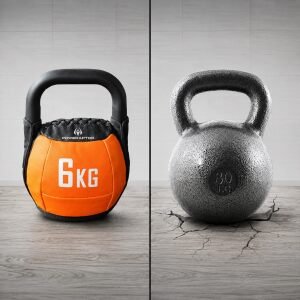
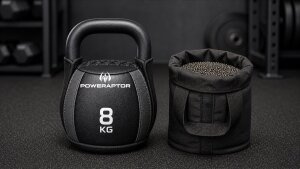
Image: Soft and cast-iron kettlebells solve different commercial gym problems. The right choice depends on floor type, class format, branding needs, and user profile.
Soft Kettlebell vs Cast-Iron Kettlebell for Gyms: The Short Answer
Cast-iron kettlebells are familiar, durable, and suitable for many heavy strength zones. They are easy for experienced lifters to understand and they can work well in gyms where the floor, storage system, and user behavior are already built around hard weights.
Soft kettlebells solve a different commercial problem. They are more suitable for boutique studios, functional training rooms, group classes, hotel gyms, school fitness spaces, rehabilitation-adjacent programs, women’s fitness programs, and brand-led retail assortments where floor friendliness, visual branding, and user confidence matter. A soft kettlebell does not remove training risk completely, but its padded outer construction can reduce hard impact compared with iron when it contacts the floor or body during normal handling.
For a distributor or fitness brand, the choice is often not either-or. Many commercial buyers use cast iron for traditional strength areas and add soft kettlebells as a separate product line for classes, entry-level programming, and private-label sales.
Comparison Table for Commercial Buyers
| Buying Factor | Soft Kettlebell | Cast-Iron Kettlebell |
|---|---|---|
| Primary commercial fit | Studios, group training, branded programs, floor-sensitive spaces, beginner-friendly strength areas. | Traditional strength rooms, heavy lifting zones, experienced users, rugged training environments. |
| Outer material | Poweraptor options include PU leather or microfiber leather. | Usually cast iron with paint, powder coating, vinyl coating, or similar finish depending on supplier. |
| Internal structure | Poweraptor soft kettlebells use iron sand plus polypropylene cotton. | Solid metal construction or cast body, depending on design. |
| Floor impact | More floor-friendly for controlled commercial use, especially in studios and class rooms. | Higher impact risk on wood, tile, or lightly protected flooring if dropped or mishandled. |
| Branding | Custom logo, color, weight marking, and packaging are practical for OEM/ODM and private label programs. | Branding is possible, but surface and finish can limit visual options. |
| MOQ and range | Poweraptor MOQ starts from 20 pcs. Weight options include 4, 6, 8, 10, 12, 16, 20, 24, and 40 kg. | MOQ, weights, and finish depend on the iron kettlebell supplier. |
When Soft Kettlebells Fit Better
Soft kettlebells are often a stronger choice when the gym program includes repeated class use, mixed experience levels, or training spaces where the floor is part of the customer experience. Boutique studios and hotel gyms may not want the noise, surface marks, or visual harshness associated with hard iron weights. Training studios may also need equipment that feels less intimidating for new members while still supporting strength movements such as swings, deadlifts, carries, rows, presses, and circuit training.
Poweraptor soft kettlebells are designed around a soft outer body and weighted internal filling. The confirmed material options are PU leather and microfiber leather, with iron sand plus polypropylene cotton inside. For buyers comparing suppliers, this structure matters because a soft kettlebell is not only a visual product. Weight stability, panel shape, handle attachment, stitching, and filling control all affect how the product feels in repeated use.
For gyms building a broader functional training zone, soft kettlebells can also sit naturally beside products such as wall balls for class training and weight bags for functional strength programs. This gives distributors and studio buyers a more complete assortment instead of a single isolated SKU.
When Cast Iron Still Makes Sense
Cast iron remains useful when the gym is designed for heavy, traditional strength training and the users already expect hard equipment. A warehouse gym, power-focused strength area, or heavy functional fitness facility may prefer iron because it is familiar, compact, and easy to standardize across serious lifting zones.
The limitation is not performance alone. It is environment fit. In small studios, wood floors, tiled hotel gyms, and beginner-heavy programs, hard impacts and noise can become business problems. A commercial buyer should think beyond the product price and ask: Will this equipment match the floor system? Will staff need to manage member behavior more carefully? Will beginners avoid using it? Will the brand experience look premium or intimidating?
This is where a soft kettlebell line can support a different category of customer without competing directly against iron.
Handle, Stitching, and Structure Checks
For any soft kettlebell manufacturer, the handle and stitched body should be inspected carefully. Buyers should not judge only by the front photo. Ask how the handle is attached, how the panels are shaped, how the filling is contained, and how the product is checked before packing.

Image: Handle structure, attachment points, and production consistency are important checks when buying soft kettlebells in bulk.
Poweraptor’s confirmed filling structure uses iron sand plus polypropylene cotton. The buyer should confirm final weight, size, and tolerance according to the exact model and order requirements. For bulk orders, sample approval is important because a soft kettlebell must balance appearance, grip comfort, weight feel, and long-term seam reliability.

Image: For fabric weighted equipment, stitching, panel alignment, and handle reinforcement should be reviewed before confirming production.
Weight Range for Commercial Programs
For commercial buyers, the right weight mix depends on the user group and sales channel. Poweraptor soft kettlebell weight options include 4 kg, 6 kg, 8 kg, 10 kg, 12 kg, 16 kg, 20 kg, 24 kg, and 40 kg. A studio may start with lighter and middle weights for group classes, while a distributor may test a clean starter range before expanding into heavier options.
For class programming, 4 kg to 12 kg can support beginners, personal training, women’s fitness programs, youth conditioning, and general functional circuits. For stronger users or broader gym assortments, 16 kg, 20 kg, 24 kg, and 40 kg can be considered depending on the market. Final size and specification details should be confirmed before production because weight, shape, and packing can vary by order requirement.

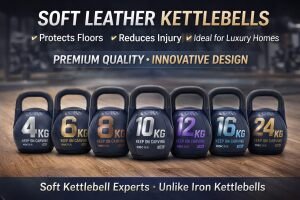
Image: A practical commercial set may include starter weights for classes and heavier options for strength areas, depending on the buyer’s program.
Custom Logo and Private Label Considerations
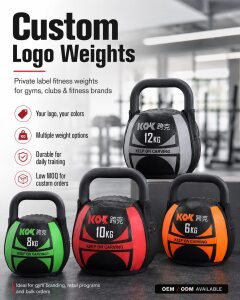
Soft kettlebells give fitness brands and distributors more visual control than many cast-iron products. Poweraptor supports custom logo, color, weight, and packaging for wholesale and OEM/ODM orders. This matters for private-label sellers, gym chains, and retailers that need a product family rather than a generic item.
Before requesting a quote, buyers should prepare the logo file, target color direction, required weight range, expected quantity, packaging preference, and destination city or postal code. Logo size and placement should be confirmed on the curved soft body before bulk production. The goal is not only to make the product look branded in photos, but to keep the mark clear, balanced, and suitable for repeated handling.
MOQ starts from 20 pcs, depending on customization and order details. For distributors, a sample round can help compare color accuracy, handle feel, body shape, printing position, and packing method before confirming a larger shipment.
Procurement Checklist Before Ordering
- Confirm whether the gym environment needs floor-friendly soft kettlebells, traditional cast iron, or a mixed program.
- Confirm outer material: PU leather or microfiber leather for the soft kettlebell order.
- Confirm filling structure: iron sand plus polypropylene cotton for the selected model.
- Confirm target weights and final specifications before production.
- Review handle attachment, stitching, panel alignment, and sample photos.
- Confirm custom logo, color, weight marking, packaging, carton method, and destination requirements.
- Ask whether the supplier can support repeat production for future wholesale orders.
FAQ for Gym and Distributor Buyers
Are soft kettlebells better than cast iron kettlebells for every gym?
No. Soft kettlebells are better for certain commercial environments, especially studios, group training rooms, floor-sensitive spaces, and branded programs. Cast iron may still be preferred in heavy strength zones and traditional lifting facilities.
Can soft kettlebells be ordered with custom branding?
Yes. Poweraptor can support custom logo, color, weight, and packaging for wholesale and private-label soft kettlebell projects.
What is the MOQ for Poweraptor soft kettlebells?
The MOQ starts from 20 pcs, depending on customization and order requirements.
What weights are available?
Available options include 4, 6, 8, 10, 12, 16, 20, 24, and 40 kg. Final size and specification details should be confirmed for the exact order.
What information should a buyer provide for a commercial weight set recommendation?
Please provide your buyer type, target program, expected quantity, preferred weight mix, logo file, packaging needs, destination city or postal code, and expected timing.
Ask for a Commercial Weight Set Recommendation
If you are comparing soft kettlebells and cast-iron kettlebells for a commercial gym, studio, distributor catalog, or private-label fitness brand, Poweraptor can help you review the right soft kettlebell weight mix and customization plan.
To request a bulk quote, send the product name, estimated quantity, preferred weights, logo file, destination city or postal code, packaging requirements, and expected timeline through the Poweraptor contact page. You can also review the Poweraptor soft kettlebell product page before sending your requirements.