Skip to content

For functional fitness gyms, HIIT studios and distributors, buying wall balls is not only a weight decision. A commercial order also has to match class formats, member levels, brand colors, logo placement, storage space and future reorders. This guide helps gym owners, brand managers and purchasing teams plan a custom wall ball class set before requesting a quote. It focuses on the practical order information Poweraptor needs for bulk production, so the buyer can compare options without confusing standard wall balls, handled versions or one-off personal custom pieces.
Start With the Class Use Case, Not Only the Logo
A wall ball set for a commercial gym normally has to support repeated group use. The same product may be used for wall shots, squat-to-press work, rotational throws, partner drills, warm-up circuits and conditioning stations. If the order is only planned around one attractive color or one popular weight, the gym may receive a set that looks good but does not serve the full weekly program.
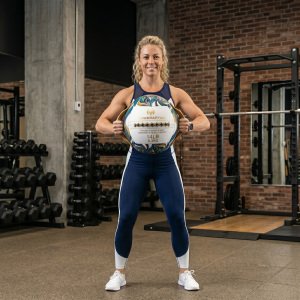
For that reason, Poweraptor recommends defining the class scenario first. A boutique HIIT studio may need a compact set with lighter weights for fast rotation. A functional fitness gym may need a broader range for beginner, intermediate and advanced members. A distributor may need several color and weight combinations that are easy for retail or wholesale customers to understand. The Poweraptor wall ball product page can support the main specification discussion, while this article focuses on how to prepare the commercial class order.
Commercial Use Case Planning Table
| Buyer scenario | Order planning focus | Details to confirm before quote |
|---|---|---|
| Functional fitness gym | Mixed member levels and repeated group training | Weight range, quantity per weight, logo position, standard or handled model, packaging needs |
| HIIT studio | Fast station rotation and visual brand consistency | Color palette, light-to-mid weight mix, cleaning and storage expectations, expected class size |
| Boxing or combat fitness gym | Conditioning blocks added to boxing, kickboxing or circuit classes | Whether wall balls are paired with bags, soft kettlebells or Bulgarian bags, plus space and storage limits |
| Distributor or private label brand | Clear SKU structure for resale or wholesale programs | Logo files, color codes, weight labels, carton marking and planned reorder logic |
This table is intentionally practical. It does not replace product sampling or final specification approval, but it helps a buyer send a quote request that a manufacturer can actually price, sample and prepare for bulk production.
Material and Filling Choices to Confirm
Poweraptor wall balls can use PVC or premium synthetic options, depending on order requirements. The confirmed weight range is 1-13 kg, and the internal filling structure uses iron sand plus polypropylene cotton. For a commercial buyer, these facts matter because a wall ball is handled, pressed, thrown and stored many times in a group training environment. The material, filling balance and stitching layout should be discussed together instead of treated as separate decoration choices.
If the gym is planning a class set, confirm whether the priority is standard wall ball training, a handled variation, or both. A handled wall ball is not the same as a standard round wall ball. The handle option changes the way members grip, carry and program the product, so it should be requested as a separate specification instead of assumed to be included on every model.
How to Think About Weight Sets Without Duplicating the Whole Weight-Mix Decision
Weight planning deserves its own full discussion, and gyms may already compare detailed weight-mix strategies for bulk orders. For this class-set article, the key point is simpler: connect each selected weight to a real class role. A 1-13 kg available range gives commercial buyers flexibility, but the final mix should reflect member levels, coach programming and storage space.
- Use lighter weights for onboarding, warm-ups, high-rep conditioning and members who are new to wall ball movements.
- Use middle weights for general group training where most members need repeatable technique and moderate loading.
- Use heavier weights for advanced conditioning, strength-endurance blocks and users who already have safe movement patterns.
The mistake to avoid is ordering one weight because it is common in another gym. A better commercial order explains the expected class size, number of stations and target user levels. Poweraptor can then quote a set that fits the program rather than a random collection of balls.
Logo, Color and Weight Marking Requirements
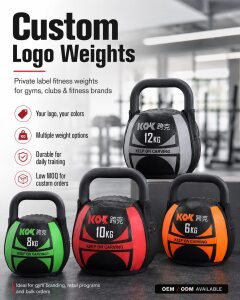
For B2B buyers, customization should support daily operation. Logo placement helps brand recognition, but weight labels and color differences help coaches and members choose the right ball quickly during class. Poweraptor can customize logo, color, weight, handle option and packaging, with details confirmed by order.
Before artwork approval, send a clean logo file, preferably a vector format such as AI, EPS or PDF when available. If only a bitmap file is available, it should be high resolution and clear enough for production review. Also provide brand colors or reference colors, but keep in mind that material, print method and production batch can affect the final appearance. The safest process is to confirm artwork and color expectations before bulk production.
MOQ, Mixed Specifications and Packaging
The confirmed MOQ for Poweraptor wall balls is 20 pcs. For commercial buyers, this MOQ can often be used to create a focused starter set or a small private-label test order, depending on the final specification. If the buyer wants mixed colors, mixed weights or both standard and handled versions, that should be stated clearly at the quote stage. Different combinations may affect sampling, production arrangement, carton planning and final pricing.
Packaging should also be part of the first inquiry, not added at the end. A gym that only needs internal use may choose simpler packaging. A distributor or brand may need carton labels, SKU logic, weight marking and other packaging details that help receiving, warehouse sorting and resale. Poweraptor can discuss packaging as part of the custom order, but the buyer should provide destination and handling requirements early.
RFQ Preparation Checklist for a Wall Ball Class Set
| Information to send | Why it matters |
|---|---|
| Buyer type and training use | Helps confirm whether the set is for gym classes, HIIT stations, boxing conditioning or distribution |
| Planned quantity | Confirms whether the order meets the 20 pcs MOQ and helps calculate cartons and production planning |
| Weight combination | Connects the 1-13 kg range to member levels and class size |
| Standard or handle option | Prevents confusion between ordinary wall balls and handled variations |
| Logo and artwork files | Allows production review of placement, scale and file quality |
| Color expectations | Supports brand matching and separates each weight or SKU visually |
| Packaging request | Clarifies whether the order is for internal gym use, wholesale, private label or resale |
| Destination city and postal code | Supports shipping preparation and freight discussion |
| Expected timeline | Helps align sampling, artwork confirmation and bulk order scheduling |
How Wall Balls Fit With Other Sewn Fitness Products
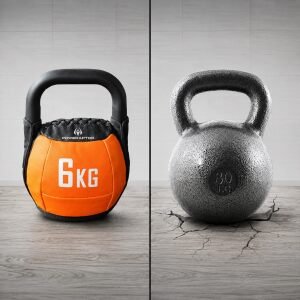
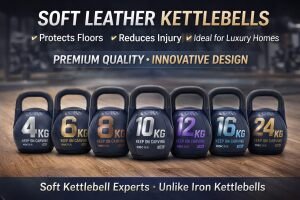
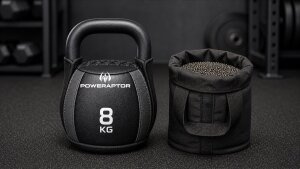
Many gyms do not buy wall balls alone. A functional training or combat fitness program may also use soft kettlebells for safer loaded movement stations and Bulgarian bags for rotational strength and conditioning. When these products are planned together, the buyer can coordinate colors, brand marks and storage logic across the training floor.
This is especially useful for private label brands and distributors that want a coherent product line instead of disconnected items. Even when each product has its own structure and use case, the artwork files, color references and packaging rules can be prepared together to reduce revision cycles.
FAQ for Commercial Wall Ball Buyers
Can Poweraptor make wall balls with my gym or brand logo?
Yes. Logo customization is available for bulk wall ball orders. Send the logo file, preferred placement and any brand color requirements so the artwork can be reviewed before production.
What weight range can I plan for a commercial set?
The confirmed range is 1-13 kg. The final mix should be selected based on class size, user levels and how the gym programs wall ball work.
Is the handle option the same as a normal wall ball?
No. A handled model and a standard wall ball should be treated as separate specifications because the grip and training use are different. Confirm the handle option during the quote stage if you need it.
What is the MOQ for custom wall balls?
The confirmed MOQ is 20 pcs. If the order includes mixed weights, mixed colors or packaging requirements, list those details clearly when requesting a quote.
What should I send before asking for pricing?
Send the product or model request, planned quantity, weight combination, logo or vector file, color expectations, destination city and postal code, packaging needs and expected timeline.
Request a Custom Wall Ball Quote
If you are planning a commercial wall ball order for a gym, HIIT studio, combat fitness facility or distribution program, prepare the product/model, expected quantity, specification or weight combination, logo/vector file, destination city and postal code, and target timeline. Then send the details through the Poweraptor contact page so the team can review the order requirements and quote accurately.