
For functional fitness gyms, HIIT studios, distributors, and private-label fitness brands, the last inspection before a wall ball shipment matters as much as the first sample. At this stage, the buyer is no longer asking only whether a supplier can make a wall ball. The real decision is whether the finished batch matches the approved specification, weight plan, surface material, stitching, logo position, handle option, and packing request. This guide is written for commercial buyers preparing bulk wall ball orders, not for one-piece personal purchases. Use it to decide what pre-shipment evidence to request before the goods leave the factory and before the next reorder is planned.
Why This Inspection Topic Is Separate From Supplier Comparison
Poweraptor already explains broad wall ball product options on the wall ball product page, and many buyers also compare manufacturers or plan a weight mix before asking for a quote. Pre-shipment inspection is a different purchase question. It happens after the buyer has selected the wall ball type, confirmed the sample direction, and prepared the order. The purpose is to reduce avoidable surprises before cartons move into export shipping.
A useful inspection request should not ask for unsupported promises or invented drop-test numbers. It should ask for practical, order-specific evidence: weight confirmation against the approved specification, visual balance and shape, stitching and closure details, handle stress areas when a handle option is used, logo and weight marking clarity, and packing readiness. When size, tolerance, material grade or packaging varies by model or order requirements, those details should be written into the order documents and checked against that agreed version.
Confirmed Wall Ball Facts to Keep in the Inspection File
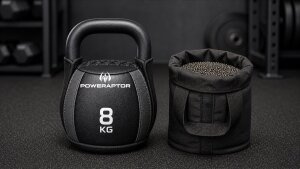
For Poweraptor wall balls, the confirmed commercial planning range is 1-13 kg. The shell material can be PVC or premium synthetic options, depending on the model and order requirements. The filling structure uses iron sand plus polypropylene cotton. MOQ is 20 pcs, with custom options including logo, color, weight, handle option, and packaging.
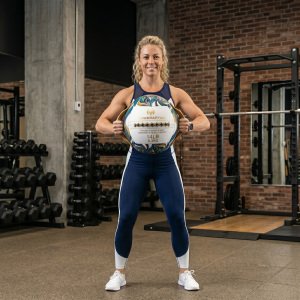
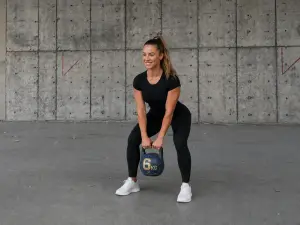
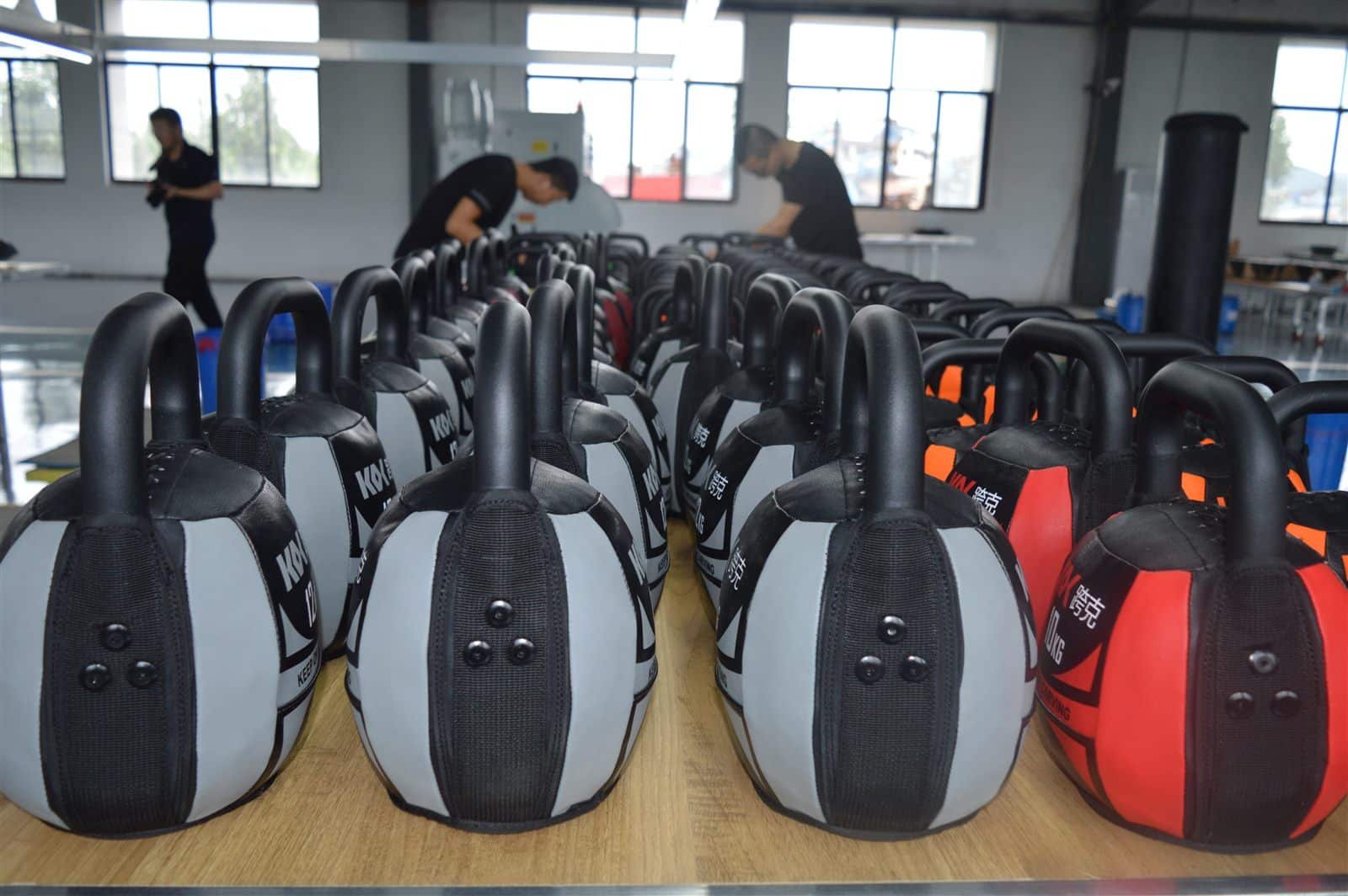
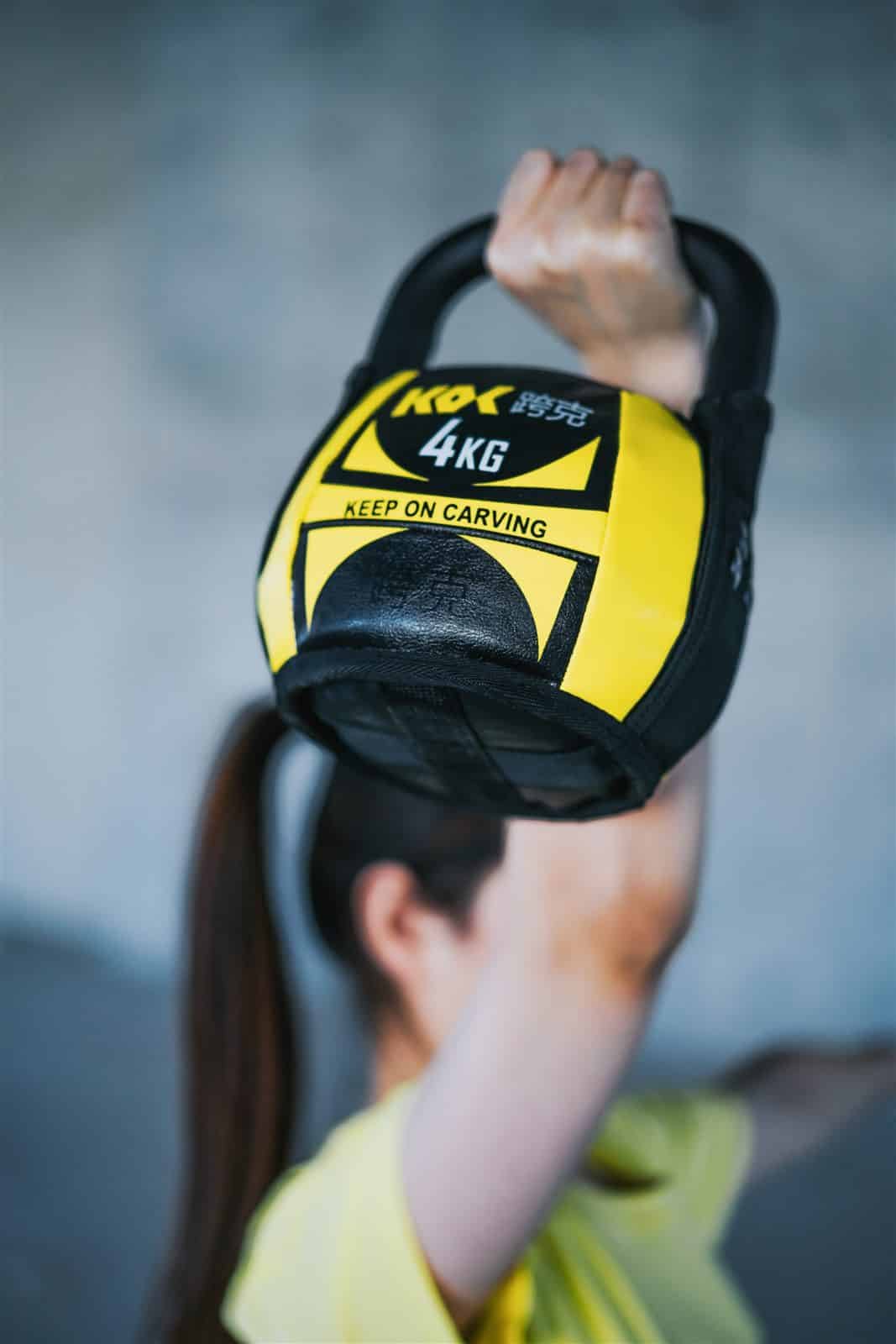
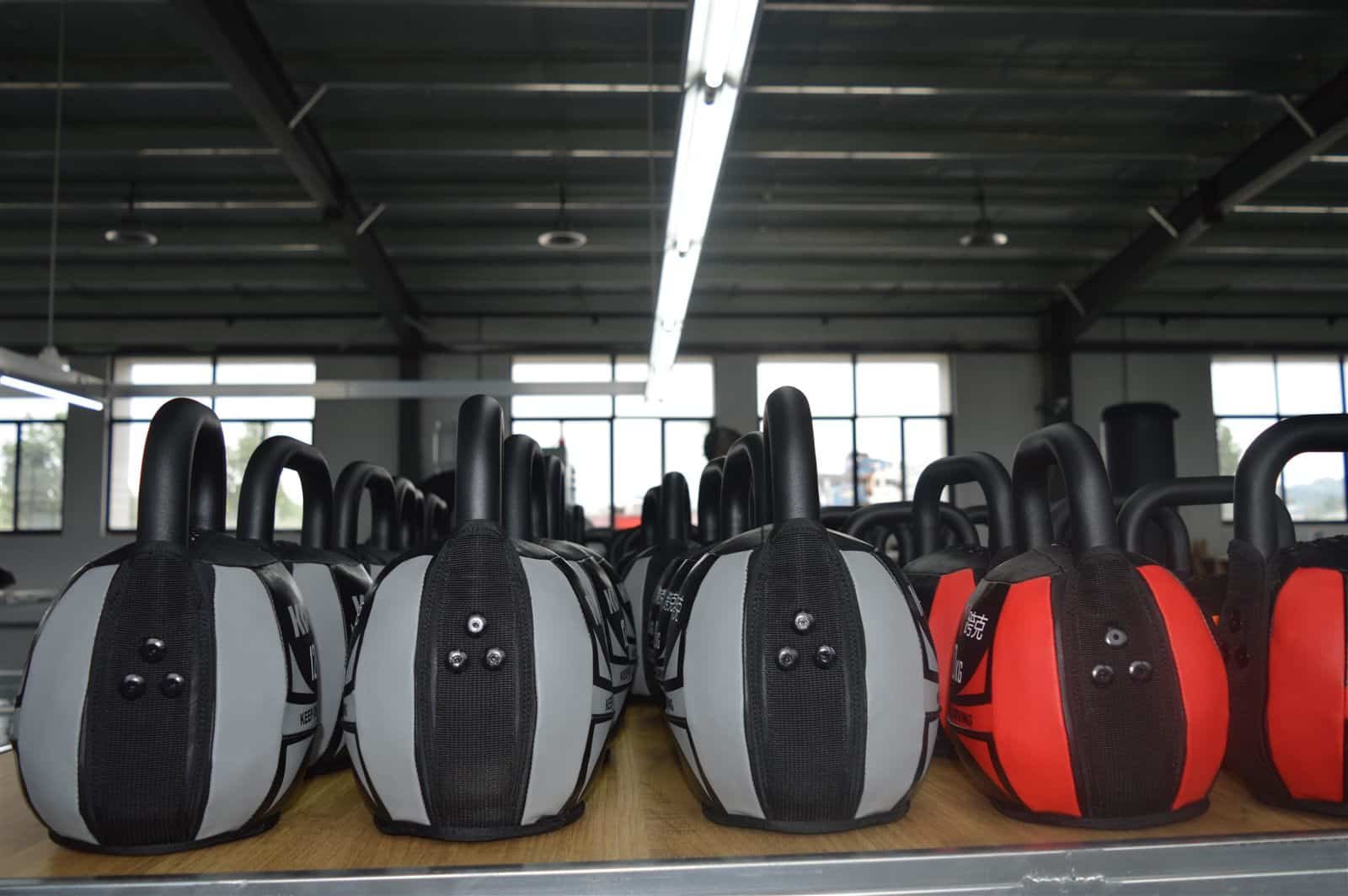
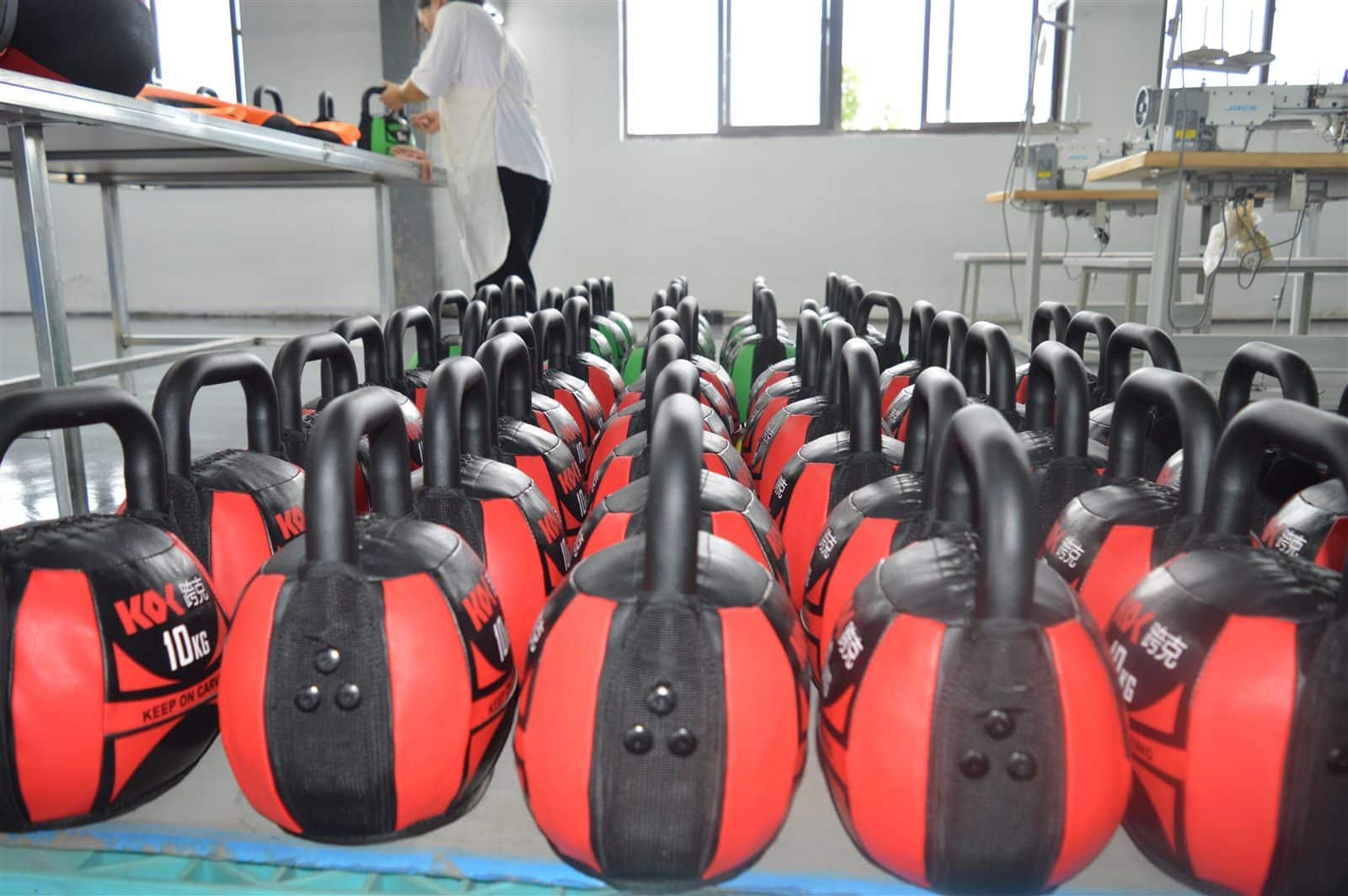
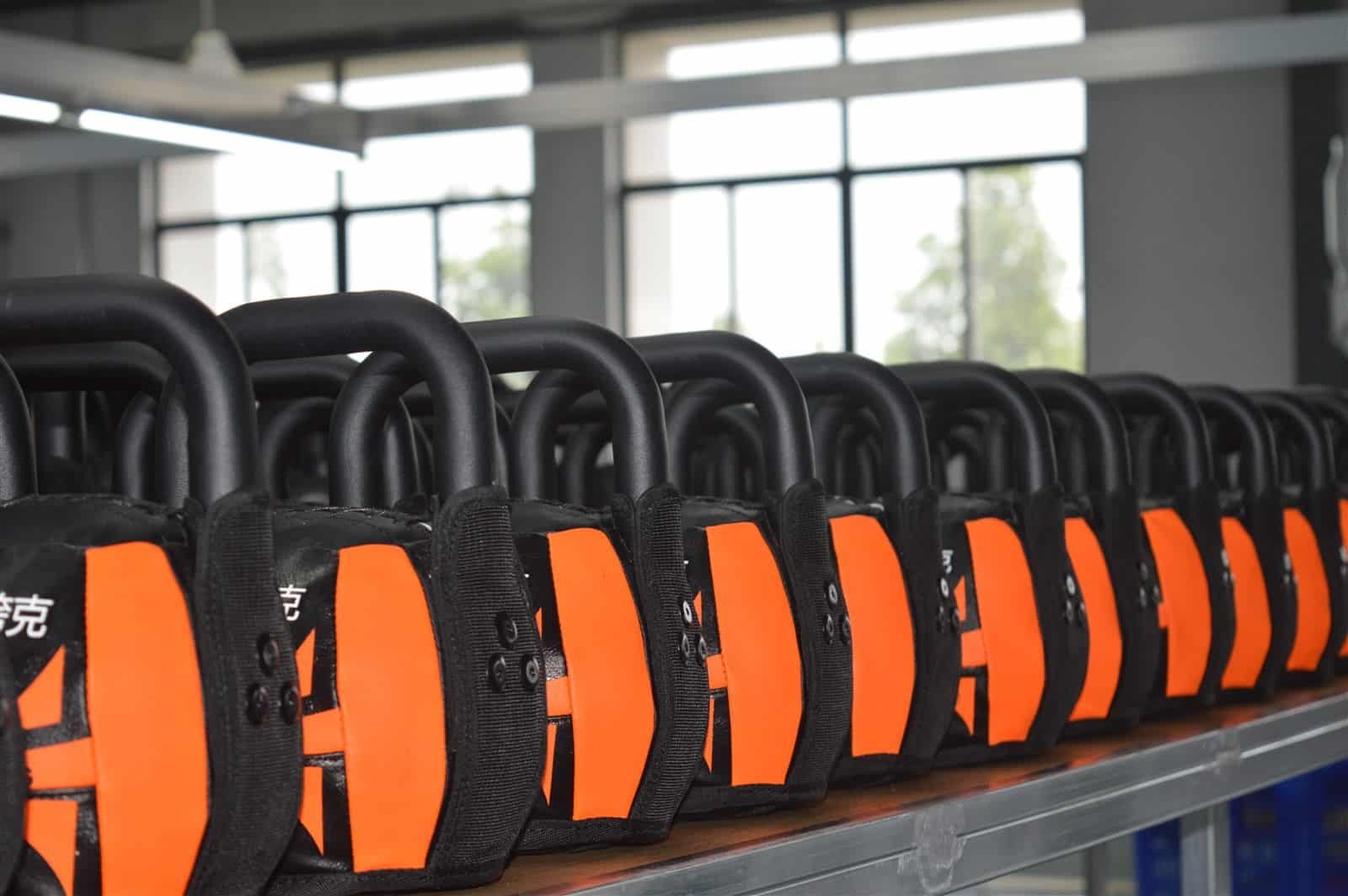
The photos in this article show handle wall ball samples and production views. That matters because a handled wall ball and an ordinary wall ball should not be inspected as the same product. Ordinary wall balls focus on shell shape, weight, seams, closure, marking and packing. Handle wall balls require those same checks plus handle placement, handle attachment and grip-related stress areas.
Pre-Shipment Inspection Checklist for Wall Ball Orders
| Inspection Area | What Buyers Should Ask to See | Why It Affects a Commercial Order |
|---|---|---|
| Weight confirmation | Photo or record showing selected units checked against the approved order specification | Gyms and distributors need each weight level to match the planned class use, SKU list or resale label. |
| Weight marking | Clear front or side photos showing kg marking and logo position | Readable markings reduce warehouse, class setup and customer service confusion. |
| Balance and shape | Batch photos from front and side angles, including upright placement where suitable | Uneven shape or poor balance can affect handling feel and product presentation. |
| Stitching and closure | Close photos of panel seams, lacing or closure area and visible edge finishing | These are key inspection points for sewn weighted fitness equipment. |
| Handle option | Separate photos of handle alignment, handle base and nearby reinforcement areas | Handle wall balls have extra stress zones that ordinary wall balls do not have. |
| Packing readiness | Photos of final pieces staged for packing, carton labels or packaging details agreed for the order | Distributors and gym chains need traceable weights, colors and quantities before shipment. |
Weight Tolerance: Confirm the Number Before Production
Buyers often search for commercial wall ball weight tolerance because they want a simple number. In real procurement, the more reliable approach is to confirm the accepted tolerance in the order specification before bulk production starts. The number can depend on the model, target weight, material, filling process and buyer requirement. It should not be guessed after production is finished.
Poweraptor wall balls use iron sand and polypropylene cotton filling. That combination gives the product real training weight while keeping a sewn, soft fitness equipment structure. Before shipment, buyers should ask how the factory confirms finished weight for the agreed order. The inspection evidence should match the weight list in the proforma invoice or purchase order, especially when the order includes several weights from the 1-13 kg range.
Balance and Shape Checks for Commercial Use
Wall balls are handled repeatedly in group classes, HIIT circuits, conditioning drills and distributor showrooms. A buyer should therefore review more than the front logo photo. Ask for batch photos that show whether the balls sit consistently, whether the panel alignment looks clean, and whether the finished appearance is consistent across the selected colors and weights.
For ordinary wall balls, focus on the shell profile, seam flow, marking position and overall symmetry. For handled wall balls, also check whether the handle position is centered and consistent from unit to unit. If an order contains both ordinary and handle wall balls, ask the factory to photograph and pack them as separate order lines. This helps prevent receiving one mixed shipment where the warehouse cannot quickly identify which version belongs to which SKU.
Stitching, Closure and Handle Stress Areas
A wall ball is a sewn weighted product, so seam quality should be part of the approval file. Buyers should request close photos of the main panel stitching, the closure or lacing area, edge finishing and any areas where material layers meet. The goal is not to create a long inspection report for decoration. The goal is to catch visible issues before goods are packed into cartons and shipped internationally.
Handle wall balls need an extra check. The handle is not just a design feature; it changes how force moves through the product during carries, lifts and grip-based movements. Buyers should separate handle wall balls from ordinary wall balls in the RFQ, sample approval and pre-shipment inspection. Confirm which weights need handles, whether the logo area changes, and whether the handle base is photographed clearly before shipment.
Logo, Color and Weight Marking Evidence
Custom wall balls can include logo, color, weight and packaging requirements. For a private-label order, the buyer should send a logo or vector file before sampling so the factory can check scale, placement and readability on a curved sewn surface. During pre-shipment inspection, ask for photos that show the logo and weight marking together, not only a cropped logo detail.
Color also needs commercial logic. A gym may use different colors to organize class stations. A distributor may prefer colors that make weight levels easy to identify in the warehouse. A brand owner may require one consistent brand style across all weights. Whatever the plan, the final inspection should compare the finished batch with the approved color and marking direction. If some material or color options vary by order requirement, record them as order-specific specifications rather than broad claims.
Packing Inspection Before the Shipment Leaves
Packing is part of the product experience for commercial buyers. A gym wants to know the correct quantity and weights are arriving. A distributor wants cartons that are easy to sort, receive and reorder. A private-label brand may need clear labels, barcode planning or packaging instructions. These details should be confirmed before shipment, not after the buyer receives a container or courier delivery.
Ask for final packing photos that show how products are staged, how weights are separated, and how packaging follows the agreed order requirements. For mixed-weight orders, carton labels should make the weight and quantity easy to identify. For mixed-color or handle-option orders, separate packing logic reduces warehouse mistakes and makes later claims easier to review if something is missing.
Information to Send Before Asking for Inspection Details
| Buyer Information | How It Helps the Factory Inspect Correctly |
|---|---|
| Product type or model | Separates ordinary wall balls from handle wall balls and avoids using the wrong inspection focus. |
| Estimated quantity and quantity by weight | Lets the factory match inspection records to the actual 1-13 kg weight mix. |
| Material direction | Confirms whether PVC or premium synthetic options are being reviewed for this order. |
| Logo or vector file | Supports accurate logo placement, scale and color checking across curved panels. |
| Color and weight marking plan | Helps avoid confusion between training weights, resale SKUs and carton labels. |
| Packaging requirements | Defines whether the shipment needs simple gym packing, distributor labels or private-label packing details. |
| Destination city and postal code | Helps prepare export packing and freight discussion around the real shipment destination. |
| Expected timing | Allows sample review, production, inspection and shipment preparation to be scheduled realistically. |
How This Fits a Broader Sewn Fitness Equipment Order
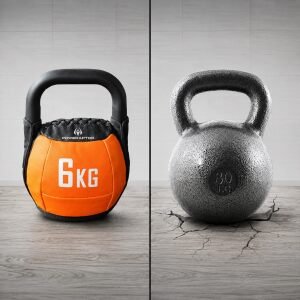
Many buyers source wall balls together with other sewn functional fitness products. If your order also includes weight bags or soft kettlebells, keep each product’s inspection checklist separate while using one clear communication file. A weight bag, soft kettlebell and wall ball may share material, filling, stitching and logo concerns, but the shape, stress areas and packing logic are different.
Poweraptor works with commercial buyers who need repeatable bulk supply, OEM or ODM discussion, and practical custom options. The inspection process should support that relationship. A clean pre-shipment checklist makes the first order easier to receive and makes the second order easier to repeat.
FAQ for Wall Ball Pre-Shipment Inspection
What should a commercial buyer check before a wall ball shipment?
Check weight confirmation against the approved order, visible weight marking, logo placement, shell shape, seam and closure details, handle attachment areas if applicable, and packing readiness.
Can Poweraptor provide a fixed wall ball weight tolerance in the article?
The correct tolerance should be confirmed in the order specification because it can vary by model and order requirements. Buyers should define it before bulk production and request pre-shipment confirmation against that agreed specification.
Are handle wall balls inspected the same as ordinary wall balls?
No. Handle wall balls require the same shell, filling, marking and packing checks as ordinary wall balls, plus separate review of handle alignment, handle base construction and nearby stress areas.
What materials and filling should buyers confirm?
Poweraptor wall balls can use PVC or premium synthetic options depending on the model and order requirements. The confirmed filling structure is iron sand plus polypropylene cotton.
What is the MOQ for Poweraptor wall ball orders?
The confirmed MOQ is 20 pcs. The final quote depends on the product type, weight mix, material option, logo requirement, handle option, packaging and destination.
Ask for Specifications and Pre-Shipment Inspection Details
To request a commercial wall ball quote or pre-shipment inspection plan, send Poweraptor your product or model, expected quantity, specification or weight combination, logo or vector file, color direction, packaging requirements, destination city and postal code, and expected timing. Share these details through the Poweraptor contact page so the team can review the order as a B2B sourcing project and confirm the inspection evidence needed before shipment.