Skip to content

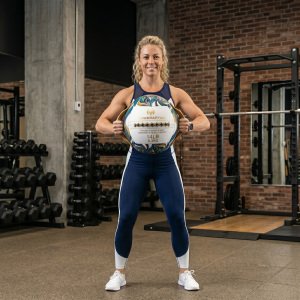
For functional fitness gyms, HIIT studios, distributors, and private-label fitness brands, a wall ball bulk order should start with the weight mix, not with a single sample photo. The buyer has to decide which weights will support class programming, which options are practical for resale, and which customization details must stay consistent across the range. This guide helps commercial buyers prepare a wall ball order around weight selection, material confirmation, logo planning, handle options, packing, and quote details. It is written for B2B sourcing and repeat supply decisions, not for one-piece or two-piece personal customization.

Why the Weight Mix Comes Before the Quote
Many wall ball RFQs begin with a broad question: “What is your price?” That is rarely enough for a useful commercial quotation. A supplier cannot compare the same order unless the buyer has defined how many pieces are needed in each weight, whether the order uses ordinary wall balls or handle wall balls, and whether logo, color, weight marking, and packaging are standard or custom.
Poweraptor’s confirmed wall ball range is 1-13 kg, with MOQ from 20 pcs. That range gives buyers flexibility, but it also requires planning. A HIIT studio may need more lighter and mid-range balls for repeated group classes. A functional fitness gym may need a balanced range for beginner, general, and advanced members. A distributor may prefer a narrower mix that is easier to stock, explain, and reorder.
The main Poweraptor wall ball product page is the right place for broad product and specification information. This article focuses on the more specific purchase question: how to prepare a practical wall ball weight mix before requesting a bulk quote.
Wall Ball Weight Mix Planning Table
The table below is not a fixed package or a price sheet. It is a planning framework buyers can adapt before contacting a manufacturer.
| Buyer Type | Likely Weight Mix Logic | What to Confirm Before Quoting |
|---|---|---|
| HIIT studio | More light and mid-range weights for high-repetition classes and mixed fitness levels | Number of class stations, expected users per session, color sorting, logo visibility |
| Functional fitness gym | Wider range across beginner, general, and advanced training needs | Quantity by kg, storage rack space, ordinary vs handle wall ball use, reorder plan |
| Distributor | Stockable weights that match local gym demand and can be reordered consistently | Packaging, carton labels, weight markings, SKU naming, destination city and postal code |
| Private-label brand | A clean product line where each weight uses consistent branding and product photography | Vector logo file, color reference, weight marking style, sample approval steps |
Do Not Treat Every Kilogram as Equal Demand
A common buying mistake is to order the same quantity in every weight. That looks organized on paper, but it may not match commercial use. Some weights move faster because they fit more users, more classes, or more resale channels. Other weights are important for completeness but may not need the same quantity in the first order.
For gyms and studios, the best starting point is the training calendar. Count how many members may use wall balls at the same time, what weights coaches usually prescribe, and how many replacement or reserve pieces are needed. For distributors, review which weights customers already ask for in functional training, school fitness, studio equipment, or home gym resale channels. The goal is to create a useful mix, not a decorative full set that ties up budget in slow-moving stock.
Material and Filling Still Affect Weight Planning
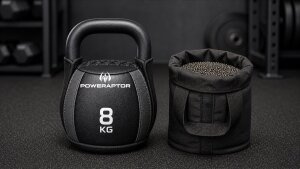
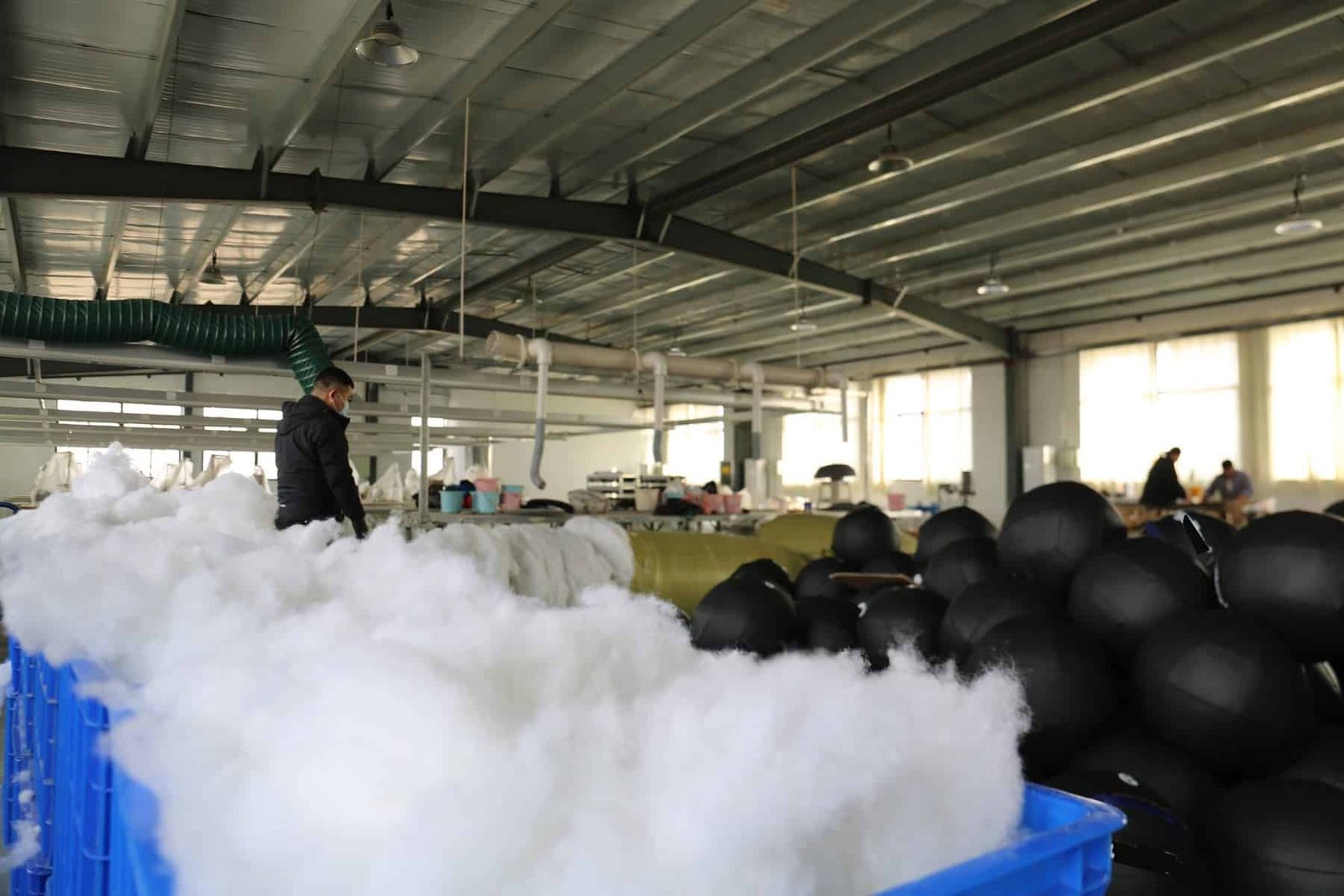
Weight planning is connected to construction. Poweraptor wall balls can use PVC or premium synthetic options, depending on the model and order requirements. The confirmed filling structure uses iron sand and polypropylene cotton. Buyers should confirm the material direction before sample approval because shell feel, surface finish, color appearance, and logo placement can vary by order.
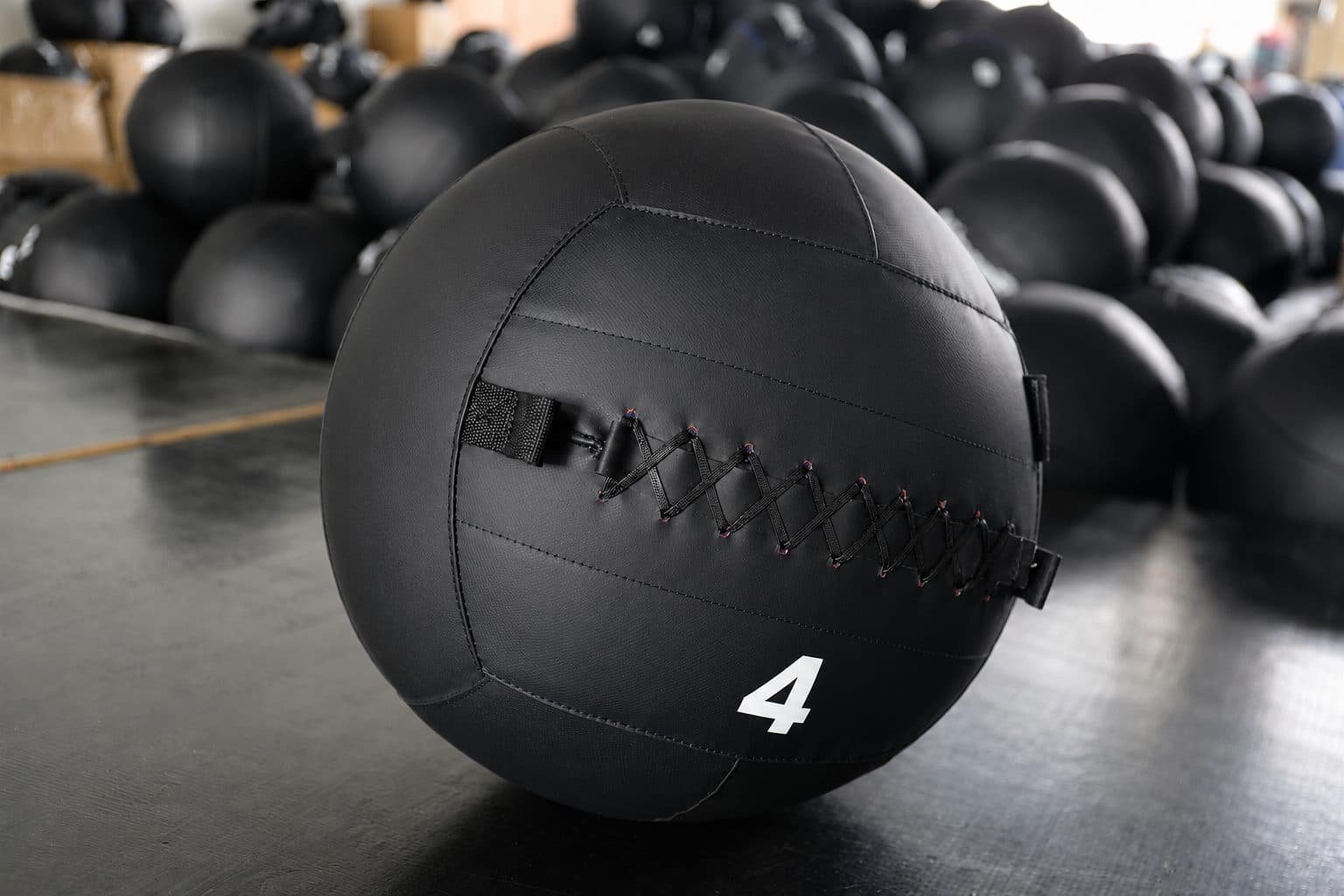
For a gym, the surface needs to fit repeated handling and cleaning expectations. For a distributor, it also needs to look consistent across the product line. For a private-label buyer, the chosen surface should support clear weight markings and a logo method that stays readable on a curved sewn product. These details should be confirmed before a buyer compares quotes from different wall ball manufacturers.
Ordinary Wall Ball or Handle Wall Ball?
Ordinary wall balls and handle wall balls should be treated as separate purchasing decisions. Ordinary wall balls are usually selected for wall throws, squats, partner drills, carries, and functional conditioning. A handle option can add grip-based training possibilities, but it also changes construction priorities because the handle attachment becomes a stress area.
If your order includes handle options, separate them in the RFQ. Do not combine ordinary and handle models under one vague line item. Confirm which weights need handles, whether the logo position changes, and whether packaging needs to separate the two versions. This makes the quotation cleaner and reduces confusion before sample production.
Stitching and Closure Checks for Sample Approval
Wall balls are sewn fitness equipment, so the inspection focus should include more than color and weight. Buyers should review the main panel seams, lacing or closure area, weight marking, and any handle attachment points. These are the places where poor communication can become a quality complaint after the goods reach a gym or distributor warehouse.
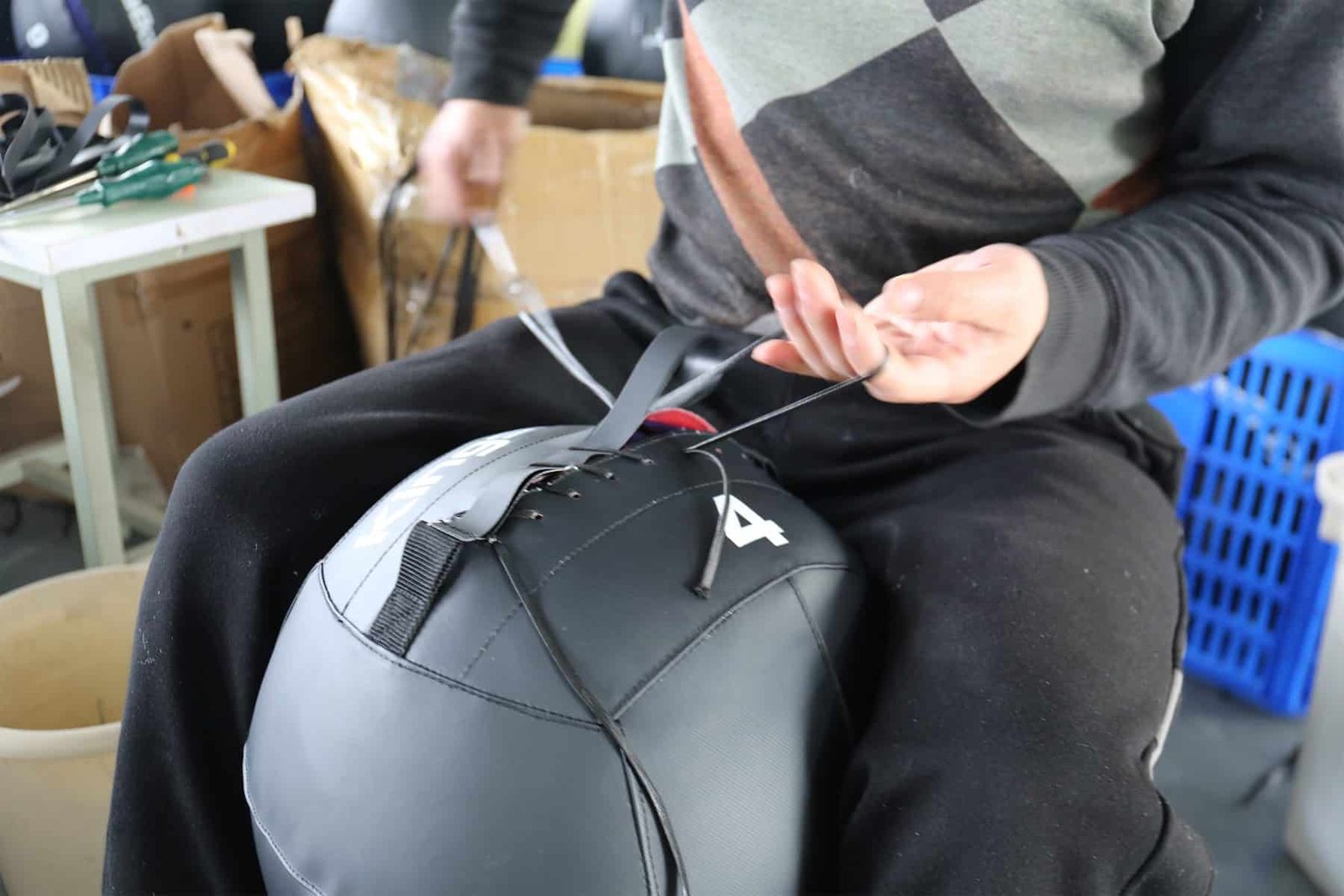
Do not ask for invented durability promises or unsupported drop-test numbers. A stronger approach is to confirm the intended training environment, request real sample photos, check stitching and closure details, and make sure the final specification is written clearly before production. When performance details vary by model or order requirement, they should be handled as confirmed specifications, not as broad claims.
Logo, Color, and Packaging Decisions
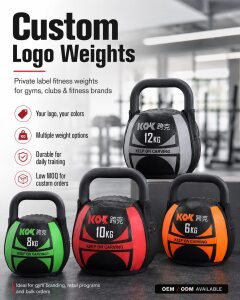
Poweraptor can discuss logo, color, weight, handle option, and packaging for commercial wall ball orders. For private-label buyers, the logo file should be prepared before the quotation is finalized. A clean vector file is usually easier to evaluate for curved sewn products because the supplier can check scale, placement, color separation, and whether the same artwork works across different weights.
Color planning should also be practical. Some buyers want each weight to have a different color cue. Others prefer one brand color with clear numerical weight marking. Packaging depends on whether the order is for internal gym use, distributor warehouse handling, or retail-style resale. Confirm carton labels, unit packing, barcode or label requirements, destination city, and postal code before requesting the final landed-cost discussion.
What Buyers Should Send in the RFQ
| RFQ Information | Why It Matters |
|---|---|
| Product type: ordinary wall ball, handle wall ball, or both | Prevents different structures from being quoted as the same item |
| Estimated total quantity and quantity by kg | Allows the supplier to quote by real weight mix instead of a generic unit price |
| Weight range needed within 1-13 kg | Helps match the order to class programming or resale demand |
| Preferred material direction: PVC or premium synthetic options | Connects appearance, feel, and pricing level to the buyer’s market |
| Logo file, color reference, and weight marking preference | Supports consistent private-label presentation across the range |
| Packaging, labels, destination city and postal code | Helps prepare shipping and warehouse planning discussions |
| Expected sample or order timing | Lets the supplier check whether the project can be scheduled realistically |
How This Fits a Broader Functional Training Order
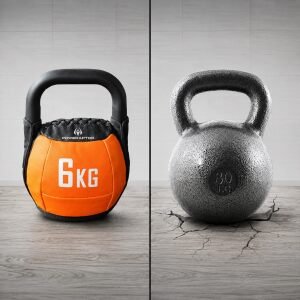
Many buyers do not source wall balls alone. A functional training zone may also need soft kettlebells, weight bags, Bulgarian bags, or soft plyo boxes. When products share sewn construction, filling, logo, and packaging requirements, it is useful to discuss the full program with one manufacturing team. Buyers can compare related soft kettlebell manufacturing options and the Poweraptor weight bag product line when planning a broader commercial equipment order.
The order should still stay specific. A wall ball RFQ should clearly state the weight mix and wall ball requirements, while related products should have their own quantities and specifications. This keeps the quote organized and helps avoid mixing product assumptions across different items.
FAQ for Wall Ball Weight Mix Orders
What is the MOQ for Poweraptor wall balls?
The confirmed MOQ is 20 pcs. The final quotation depends on the exact weight mix, material option, logo requirement, handle option, packaging, and destination.
What weight range can Poweraptor support?
Poweraptor wall balls can be planned in the 1-13 kg range. Final size and specification details should be confirmed according to the model and order requirements.
Should a distributor order every weight in the same quantity?
Not always. A distributor should plan around local demand, reorder expectations, storage limits, and how easily each weight can be explained to customers. Some weights may need more stock than others.
Can logo and packaging be customized across several weights?
Yes. Logo, color, weight marking, handle option, and packaging can be discussed for commercial orders. A vector logo file and clear color reference help the factory check feasibility before sampling.
Are handle wall balls quoted the same as ordinary wall balls?
They should be quoted separately. Handle wall balls and ordinary wall balls have different use cases and stress areas, so buyers should separate the product type, weight mix, logo area, and packaging requirements.
Request a Wall Ball Quote by Weight Mix
To request a commercial wall ball quote, send Poweraptor the product type or model, estimated quantity, required specification or weight mix, logo or vector file, preferred material and color direction, handle option if needed, packaging requirements, destination city and postal code, and expected timing. Share these details through the Poweraptor contact page so the team can review the order as a B2B sourcing project rather than a one-piece retail request.