Skip to content

Private label soft kettlebells are not only a logo project. For a commercial gym, studio chain, distributor, or fitness brand, the real question is whether the order can move from artwork to sample, bulk production, packing, and repeat supply without confusion. This guide is written for B2B buyers preparing a wholesale order, not for individual retail customers. It explains what information to send before asking for a quote, how to plan the weight mix, what to check on custom logo and color samples, and how to make packaging practical for export, warehouse handling, and resale.
Start With a Clear Commercial Use Case
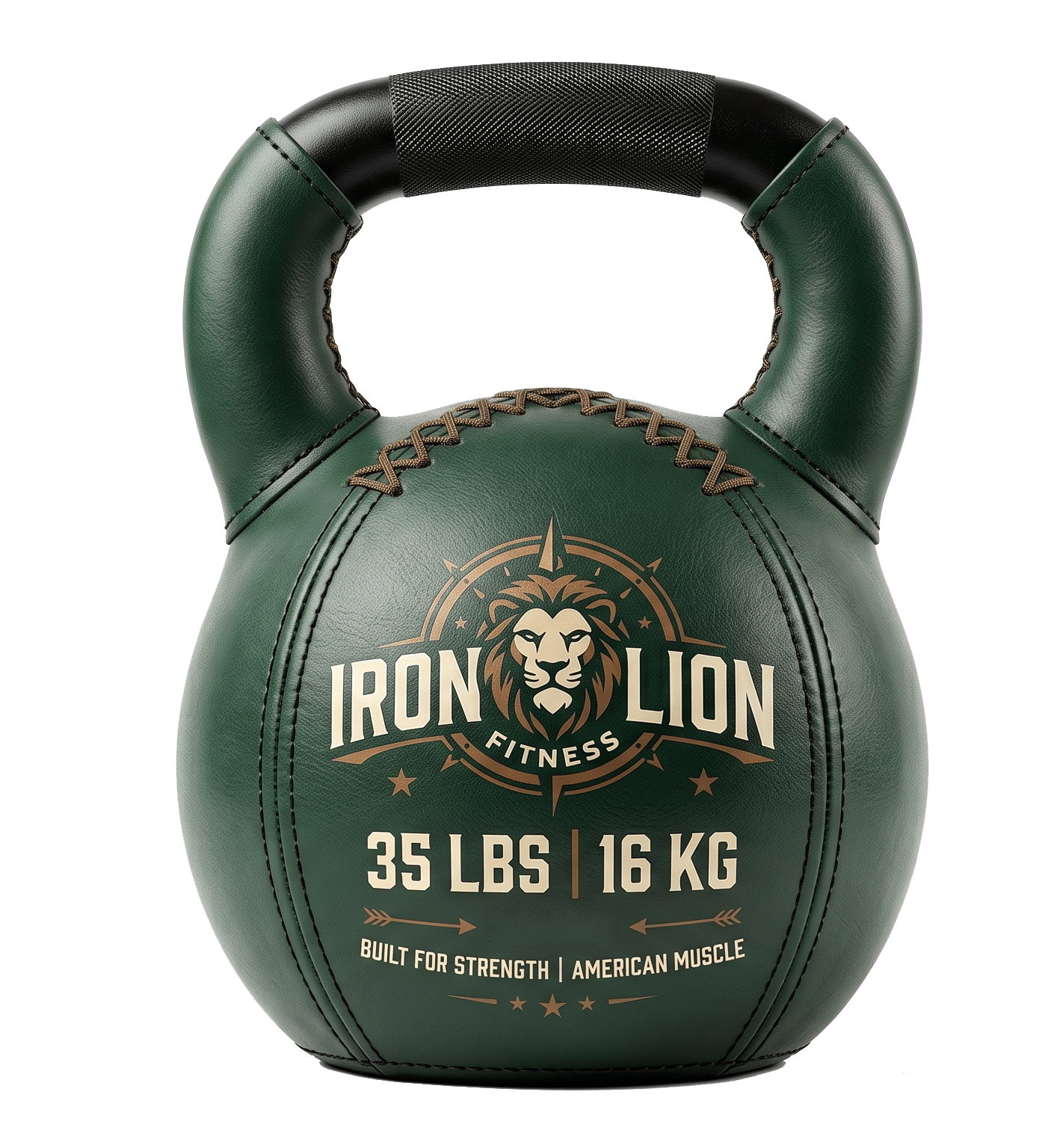
Before choosing colors or packaging, define who will use the soft kettlebells and how the product will be sold. A commercial gym may need a durable mixed-weight set for daily classes. A studio may want a compact branded range for floor-safe strength training. A distributor may need repeatable SKUs that are easy to quote, pack, and restock. A private-label fitness brand may care most about visual consistency, packaging presentation, and stable production for future orders.
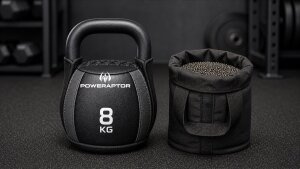
Poweraptor soft kettlebells can be developed for commercial gym, studio, distributor, and fitness brand buyers. The product uses PU leather or microfiber leather, with an iron sand and polypropylene cotton structure. Available weights include 4, 6, 8, 10, 12, 16, 20, 24, and 40 kg, with final specifications confirmed according to the selected model and order requirements.
What to Send Before Asking for a Bulk Quote
The fastest way to get an accurate factory quote is to send complete order information at the beginning. A supplier cannot give a serious wholesale recommendation from a message like “please quote soft kettlebells.” Buyers should provide the product type, estimated quantity, target weight range, logo requirement, color preference, packing requirement, destination city or postal code, and expected timing.
| Information to Provide | Why It Matters for Production and Quoting |
|---|---|
| Target weights | Helps the factory recommend a practical set, such as light, medium, and heavy training weights. |
| Estimated quantity | Poweraptor supports MOQ from 20 pcs, but larger orders may need different packing and production planning. |
| Logo file | Vector artwork is preferred so the logo can be scaled cleanly for the curved product surface. |
| Color direction | Allows the factory to check material options and prepare a realistic sample direction. |
| Packaging requirement | Affects carton labels, retail presentation, warehouse handling, and export packing. |
| Destination city or postal code | Needed for practical shipping discussion and landed-cost planning. |
Choose a Weight Mix That Buyers Can Actually Sell
Private label soft kettlebells should be planned as a sellable range, not as random weights. For most commercial programs, buyers often start with a small core range and expand after market feedback. Lighter weights can support beginner classes and studio programming, while medium and heavier options can serve strength training, functional circuits, and advanced users.
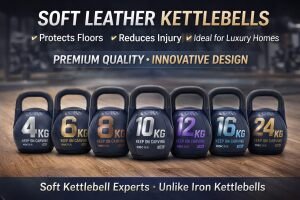
The confirmed Poweraptor weight range includes 4, 6, 8, 10, 12, 16, 20, 24, and 40 kg. The best mix depends on the buyer’s channel. A boutique gym may need a balanced set across class stations. A distributor may need the most repeatable SKUs. A private-label brand may want clear color coding by weight to make product selection easier for sales teams and customers.
Logo Files: Make the Artwork Production-Ready
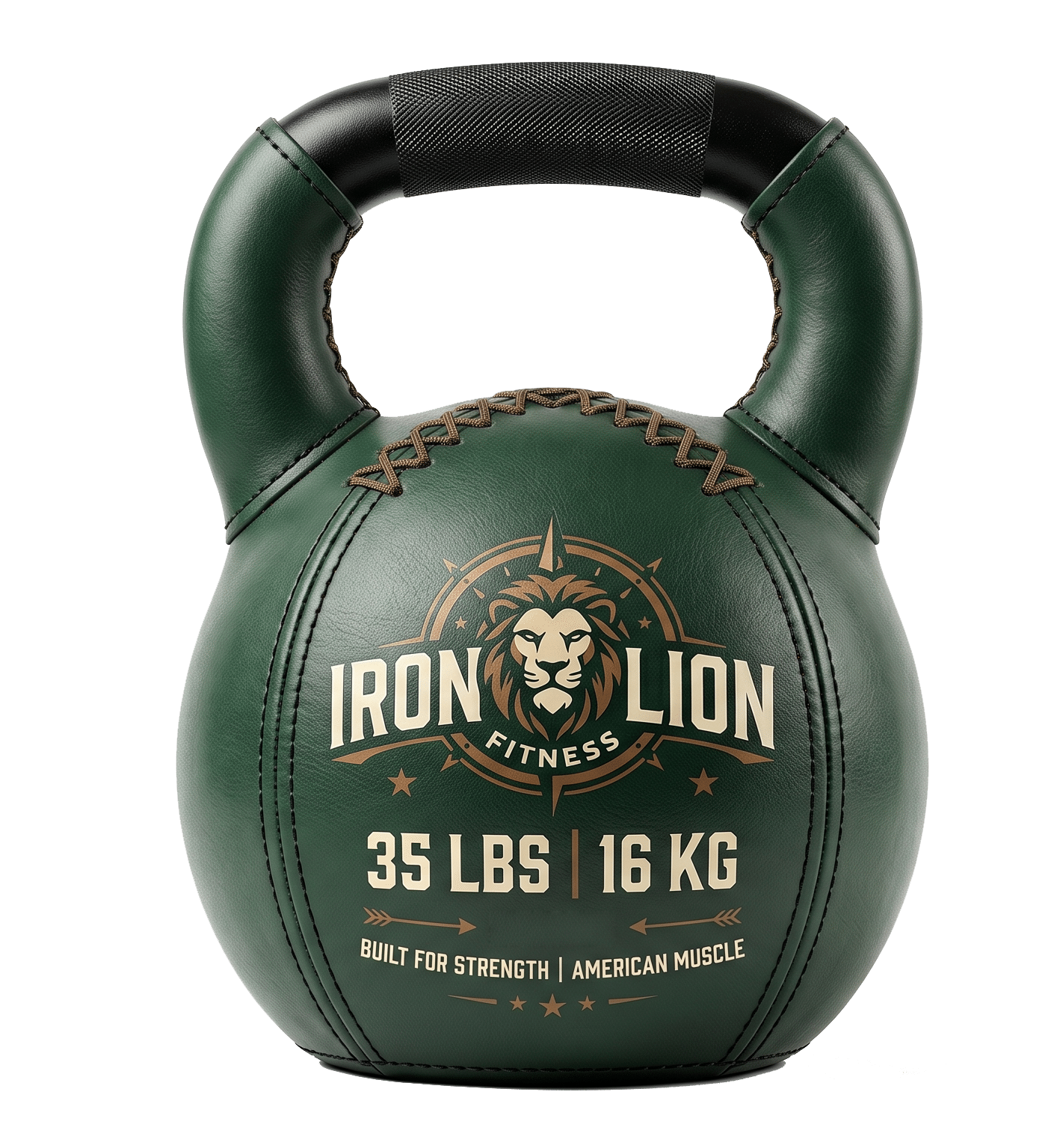
Logo customization is one of the main reasons buyers choose private label soft kettlebells, but artwork needs to be prepared correctly. Send a clean logo file before sample discussion whenever possible. Vector artwork is preferred because it can be scaled for different kettlebell sizes without losing edge clarity. If only a low-resolution image is available, the factory may need to confirm whether it can be used or whether the buyer should provide a better file.
Logo placement should be discussed together with the weight label and color panels. A logo that looks good on a flat screen may need adjustment on a soft, rounded product surface. Buyers should confirm the visible brand position, weight marking, color contrast, and whether the same artwork can be used across multiple weights. Final logo method and placement depends on the selected material, artwork, and order requirement.
Color Samples: Build a Line, Not One Product
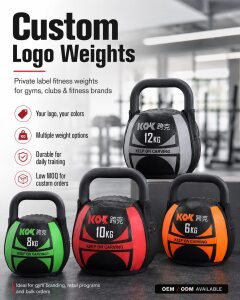
Color is not only decoration. In commercial gym equipment, color can help identify weight, separate product levels, or match a brand’s visual system. For private label soft kettlebells, buyers can customize color, logo, weight, and packaging. The best approach is to decide whether color will represent the brand, the weight level, or the product collection.
For example, a distributor may prefer simple repeatable colors that are easy to reorder. A studio brand may choose a premium color direction to match interior design. A fitness brand may build a collection where each weight has a clear accent color. Material availability, final color matching, and sample approval should always be confirmed before bulk production.
Packaging and Carton Details for Wholesale Orders
Packaging should be planned early, especially for wholesale and distributor orders. A carton is not just a box; it carries warehouse information, product identification, and shipping handling details. For private label soft kettlebells, buyers may need custom packaging, carton marks, weight labels, barcode information, or other buyer-specific packing requirements.
The exact packing method depends on the weight, order quantity, destination, and buyer’s sales channel. Retail brands may need cleaner presentation. Gym suppliers may prefer practical cartons for bulk delivery. Distributors may need clear outer marks so warehouse teams can separate weights quickly. Confirm packaging before production starts, because carton design and labels affect both manufacturing and shipment preparation.
Sample Approval Before Bulk Production
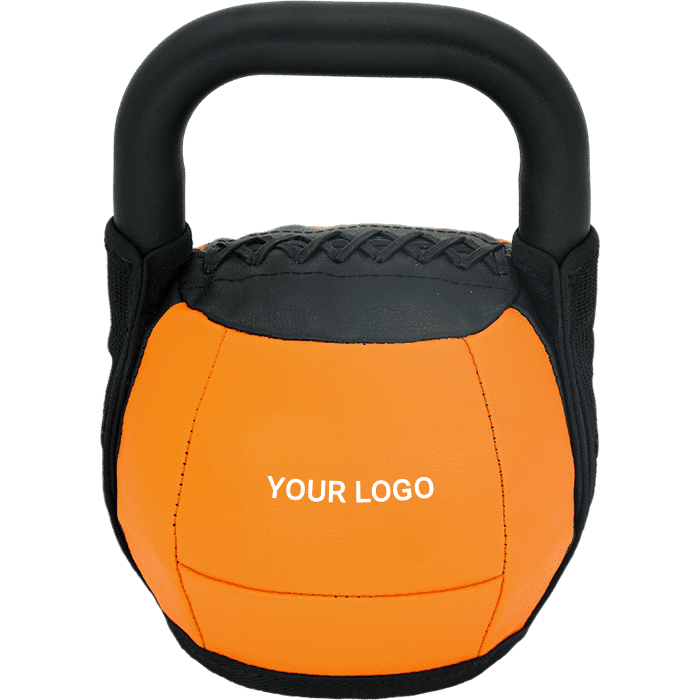
A sample is where the buyer confirms the real product direction. For private label soft kettlebells, sample review should cover the material feel, handle comfort, logo position, weight marking, color direction, stitching appearance, and overall shape. If packaging is part of the order, the buyer should also confirm box artwork, carton markings, and any required label information before bulk production.
Because soft kettlebells use flexible material and weighted filling, final product details may vary by model and specification. Buyers should avoid approving only a front photo. Ask for key views, packing details, and any points that affect your sales channel. A good sample approval process reduces misunderstandings before the factory starts repeat production.
How This Fits a Wider Fitness Equipment Program
Soft kettlebells are often part of a wider functional training product line. Buyers developing private-label strength equipment can also review Poweraptor’s custom fitness equipment manufacturing options when planning multiple SKUs, and compare product details on the Poweraptor soft kettlebell product page. For direct quotation and sample discussion, use the Poweraptor contact page with complete order information.
Buyer Checklist for Private Label Soft Kettlebells
- Confirm whether the order is for a gym, studio, distributor, or private-label brand.
- Select the target weight range from 4, 6, 8, 10, 12, 16, 20, 24, and 40 kg.
- Prepare logo files and preferred brand colors before requesting samples.
- Confirm whether PU leather or microfiber leather is preferred for the target product level.
- Discuss custom packaging, carton marks, and label requirements before bulk production.
- Send estimated quantity, with MOQ starting from 20 pcs.
- Provide destination city or postal code for practical shipment discussion.
FAQ for Commercial Buyers
What is the MOQ for private label soft kettlebells?
Poweraptor supports MOQ from 20 pcs for soft kettlebells. The best order quantity depends on the weight mix, customization level, packaging requirement, and buyer’s market plan.
Can we customize logo, color, weight and packaging?
Yes. Custom logo, color, weight, and packaging can be discussed for wholesale and private-label orders. Final details should be confirmed through artwork review and sample approval.
What materials are used for Poweraptor soft kettlebells?
Poweraptor soft kettlebells use PU leather or microfiber leather, with an iron sand and polypropylene cotton structure. Final specification depends on the selected model and order requirement.
Which buyers are suitable for this product?
The product is designed for commercial gyms, training studios, distributors, and fitness brands that need wholesale or repeat production, not one-piece personal customization.
What should we send to get a useful quote?
Please send the product name, estimated quantity, target weights, logo file, color preference, packaging requirement, destination city or postal code, and expected timing.
Send Logo File, Target Weights and Estimated Quantity
If you are preparing a private label soft kettlebell order, send Poweraptor your product requirement, estimated quantity, logo file, target weights, preferred colors, packaging requirement, destination city or postal code, and expected timeline. Our team can review the order direction, discuss MOQ, confirm sample requirements, and help you prepare a practical commercial weight set for your gym, studio, distributor program, or fitness brand.